EIA AEO2026: data-center servers 7% of commercial electricity in 2025, path to 22%–33% of commercial-building use by 2050.
Commercial-server share path — not EPA G20 reuse; not IEA 485→950; not LBNL 649 TWh.
Read today’s coverage AI FootprintTMEvidence on AI's impact
For people trying to make sense of AI
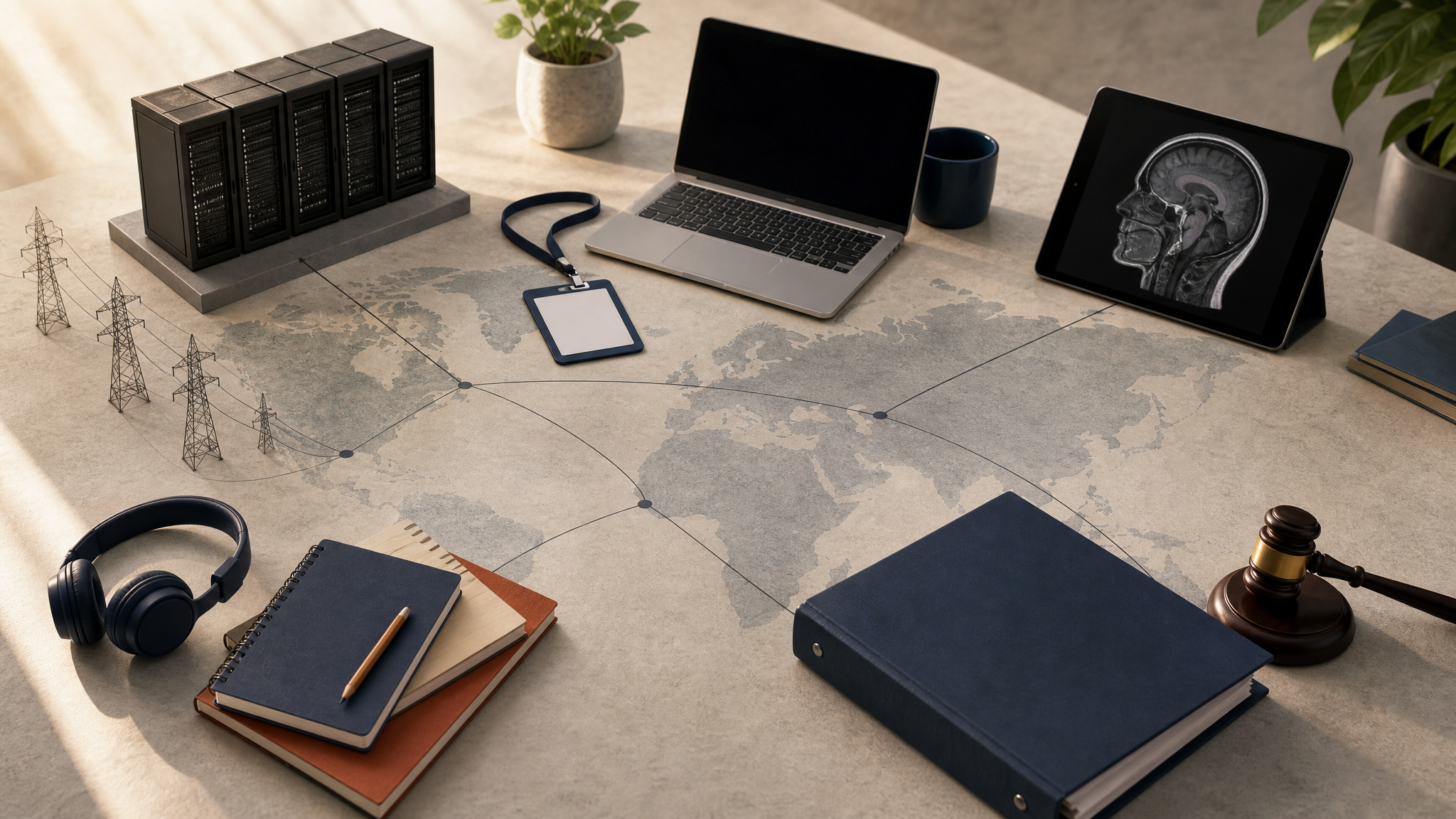
AI FootprintTM tracks how AI is changing work, infrastructure, policy, health, science, education, and culture. The front page carries the most important headlines; the category pages carry today's full list by beat.
Headline articles · September 28
Commercial-server share path — not EPA G20 reuse; not IEA 485→950; not LBNL 649 TWh.
Read today’s coverageTexas graduate event study — not Cleveland Fed 3.1 pp; not ILO China 21/1,591; not Atlanta Fed 2.93%.
Read today’s coverageOMB guidance gap — not NIST AI 200-3; not AI 200-2; not SP 1353.
Read today’s coverageProject launch — not FDA >1,600; not Anthropic ~950 wet lab.
Read today’s coverageDaily beats
Positive stories are included where they belong. A medical breakthrough goes under Health & Science. A job-gain story goes under Jobs. An energy-efficiency story goes under Environment.
Layoffs, hiring, wages, productivity, automation, job creation, and worker leverage.
02Energy demand, water use, emissions, data centers, grids, chips, and local siting conflicts.
03Regulation, safety, courts, procurement, enforcement, and public-sector governance.
04Medicine, biology, clinical AI, scientific discovery, and research infrastructure.
05Schools, children, media literacy, creative work, synthetic media, and public trust.
Editorial standard
Current pages carry the latest publishing window; older material goes to the archive.
Benefits are not siloed. Good news is filed under the category it affects.
Edition dates and story dates are kept separate.
The point is to help readers see what changed and why it matters.
Origin
Frank made a funny AI image during a work trip. A coworker said it was wasteful and bad for the environment. Instead of dismissing that concern, he wanted a better answer: what does one AI use actually cost, and how should people think about all the bigger uses happening every day?
Read the origin story